
Disclosure: This post contains affiliate links. If you buy something through one of them, we may earn a small commission at no extra cost to you.
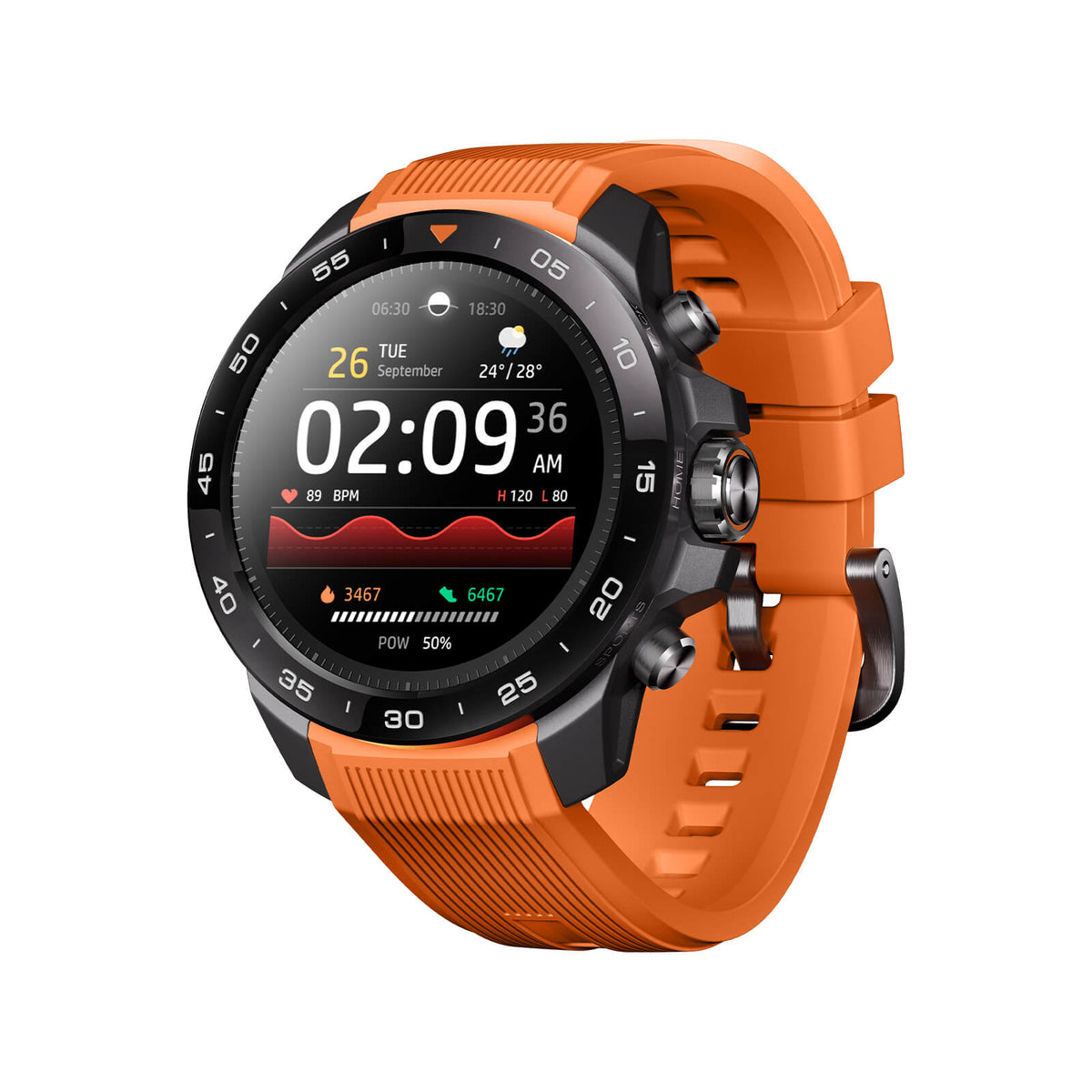
The GS Explorer S is Mibro’s flagship outdoor watch, priced at €159.99, and it’s the single most-reviewed model in the brand’s entire catalog. 240 on-site reviews put it at 96.3% positive: 63% five-star, 26% four-star. I went through the spec sheet, the review breakdown, and independent coverage from outlets like Wareable and TechRadar to see if that number holds up.
What’s actually inside it
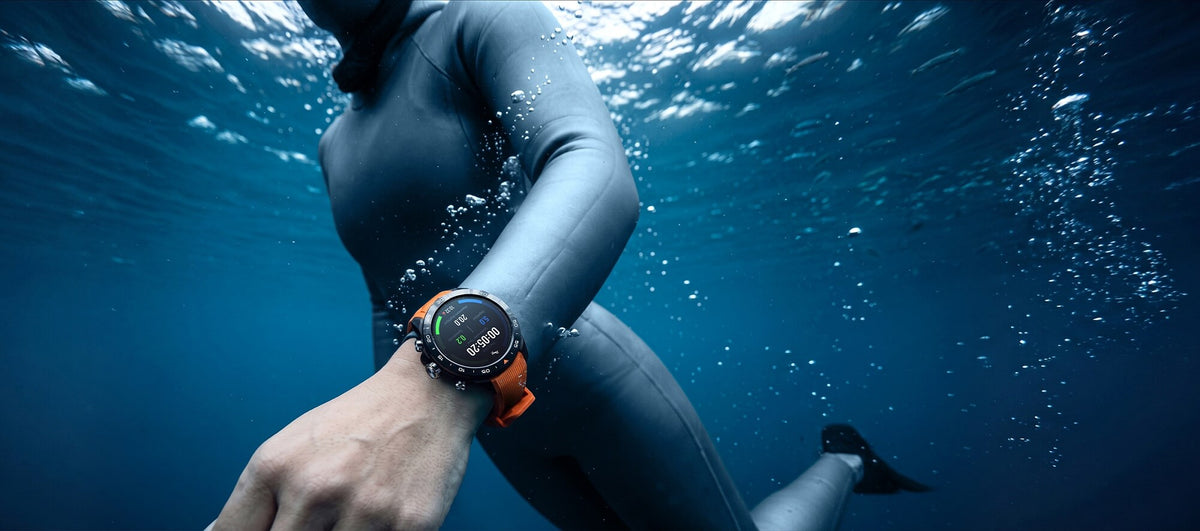
The display is a 1.32-inch AMOLED at 466×466 resolution, hitting up to 1500 nits of brightness with an always-on option. The case uses a nano-microcrystalline ceramic bezel, fiber-reinforced polymer, and Corning Gorilla Glass 3 over the screen. Mibro rates it MIL-STD-810H, a real military durability standard covering 17 separate stress tests, and it’s built for 10 ATM water resistance with freediving support down to 30 meters.
Positioning runs on dual-band L1+L5 GNSS, pulling from GPS, Beidou, GLONASS, Galileo, and QZSS at once. That’s the same class of satellite hardware you’d find on watches costing two or three times as much. On top of that sits 150+ sports modes, a full sensor stack (PPG heart rate, SpO2, altimeter, barometer, compass), and Bluetooth 5.3 calling with NFC for card payments.
Battery life, in real numbers
Mibro rates daily Bluetooth-connected use at around 20 days. Standby, unlinked from a phone, stretches to roughly 60 days. Turn on continuous GPS tracking and that drops to 25 hours, which is still a solid number for a dual-band setup. Bluetooth calling mode is rated for about 9 hours, music playback for 7.
Those are manufacturer figures, not independently timed results. But they’re in the range outdoor watch reviewers generally report as realistic for this display and chipset class.
Sports tracking and the companion app
The 150+ sports modes span the obvious categories (running, cycling, pool and open-water swimming) plus less common ones like freediving, triathlon, skiing, and tennis. Data syncs through the Mibro Fit app, which also pushes it to Strava, Apple Health, and Google Fit. That matters more than it sounds. A lot of budget watches lock your data inside a proprietary app, and being able to export straight to Strava means you’re not starting a new training history from scratch.
Route navigation includes offline track-back, so you can retrace a trail without a live data connection, plus waypoint marking for longer hikes. Combined with the barometer and compass, this is clearly built for people who actually leave cell coverage, not just gym-goers who want a fitness badge on their wrist.
Design, colors, and what’s in the box
The case measures 47.8mm across and 13.1mm thick, weighing 71g with the silicone strap on. That’s a large watch, closer to a dedicated outdoor GPS unit than a slim everyday tracker, so try it on before committing if you have a smaller wrist.
It ships in two colorways, black and orange, and both boxes include one orange silicone strap, one black silicone strap, and a magnetic charging cable. Getting both strap colors in the box is a nice touch at this price. It means you can switch the look without buying a second band, and the 22mm width also opens the door to third-party straps later.
What buyers actually complain about
A 96.3% positive score is strong, but the remaining reviews aren’t nothing at this volume. The recurring complaints on the product page itself: GPS reliability issues in certain conditions, strap durability concerns, and one documented case of battery degradation after nine months of use. Some buyers also flagged button responsiveness and slow customer service replies.
None of that is unusual for a budget outdoor watch. It does mean you should treat the GPS as very good rather than flawless, and it’s worth registering your warranty right away in case you need it. I cover the exact 12-month warranty terms and 14-day return window in my returns and warranty breakdown.
How it compares
Inside Mibro’s own lineup, the GS Explorer S sits above the GS Pro2 and GT mainly on water resistance depth and satellite hardware, at a roughly €50 premium. Against outside competitors, it’s built to go head to head with budget outdoor watches from Amazfit at a similar or lower price. I broke that matchup down fully in Mibro vs Amazfit.
Should you buy it
If you want real dual-band GPS, genuine 10 ATM water resistance, and military-grade durability testing without paying flagship prices, the GS Explorer S is one of the stronger options at its price point. Just go in expecting a small chance of GPS quirks or a strap you may want to replace after heavy use, and keep your proof of purchase for warranty claims.
For a wider view of who this watch is (and isn’t) right for, see my how-to-choose guide. To keep the strap and waterproofing in good shape long-term, check my Mibro care guide.
Keep reading: my full Mibro brand review, where to buy Mibro authentically, and battery and strap care tips.