
Disclosure: This post contains affiliate links. If you buy something through one of them, we may earn a small commission at no extra cost to you.
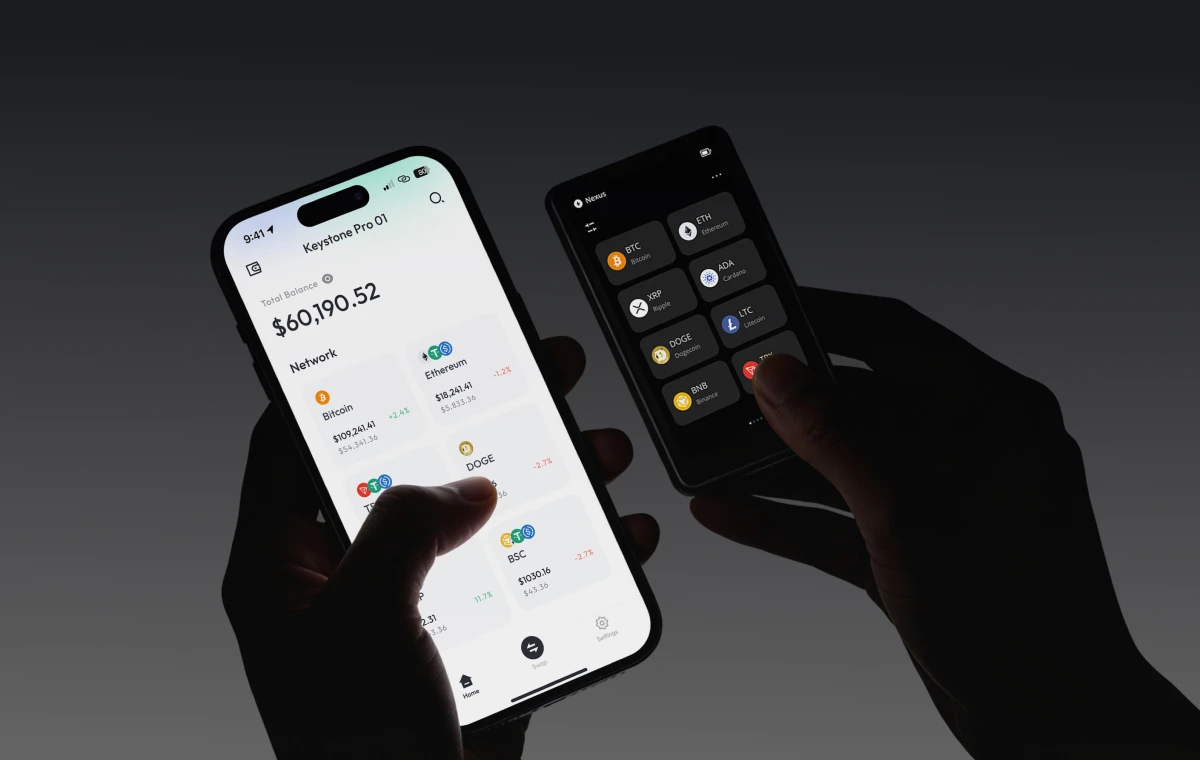
The Keystone 3 Pro is the flagship of Keystone’s lineup: a $149 air-gapped hardware wallet with a 4-inch touchscreen and three independent secure element chips. I went through the official spec sheet, third-party security audits, and a stack of expert and buyer reviews to see whether the flagship actually earns that price tag.
What’s actually inside it
The core security claim is three separate secure element chips instead of the single chip most competitors use. The device never plugs into a computer or phone. Every transaction is signed by scanning a QR code or passing data through a microSD card, with no USB, Bluetooth, Wi-Fi, or NFC involved at any point.
Biometric fingerprint verification adds an anti-peeping layer for unlocking the device, and Keystone states the hardware carries PCI-grade tamper resistance with a self-destruct response if someone tries to physically breach it. The firmware, including the secure element code, is open source and has been audited by four named security firms: Offside Labs, Blocksec, Slowmist, and KeyLabs. For day-to-day handling once it arrives, see my Keystone care guide.
What buyers and reviewers are actually saying
Coin Bureau called it “a worthy investment” for anyone prioritizing security, singling out the Shamir Secret Sharing (SLIP39) backup option and the triple-chip design as standout features at a competitive price point.
The cons in that same review are consistent with what shows up across Keystone’s roughly 690 Trustpilot reviews: no native staking support for most assets, reliance on third-party wallets like MetaMask rather than one built-in app, and a learning curve for anyone new to air-gapped signing. On Trustpilot specifically, buyers also flag occasional battery drain, fingerprint sensor quirks, and shipping delays on individual orders, alongside praise for support replacing faulty units under warranty at no cost.
Multi-coin or Bitcoin-only firmware
Keystone 3 Pro ships with a choice of firmware. The multi-coin build supports 5,500+ assets and 45+ integrated wallets, including an official MetaMask hardware partnership. The Bitcoin-only build strips out everything else, trading broad asset support for a smaller codebase and, in theory, fewer places for a bug to hide.
How it compares
Against Ledger, the Keystone 3 Pro trades USB and Bluetooth convenience for a fully air-gapped, open-source setup. It costs more than Ledger’s entry-level Nano S Plus ($59) but less than the touchscreen Ledger Stax ($399). I laid out the full comparison in Keystone vs Ledger.
Should you buy it
If open-source firmware and zero physical connections matter more to you than a single polished app, the Keystone 3 Pro is one of the most transparent hardware wallets you can buy at $149. Budget time to learn the QR-based signing flow before you move meaningful funds onto it, and pair it with a metal seed backup rather than paper.
For help deciding which Keystone configuration fits your budget, see my how to choose guide. For buying safely, check where to buy an authentic Keystone device.
Keep reading: my full Keystone Wallet brand review, how to choose the right Keystone setup, and where to buy Keystone authentically.