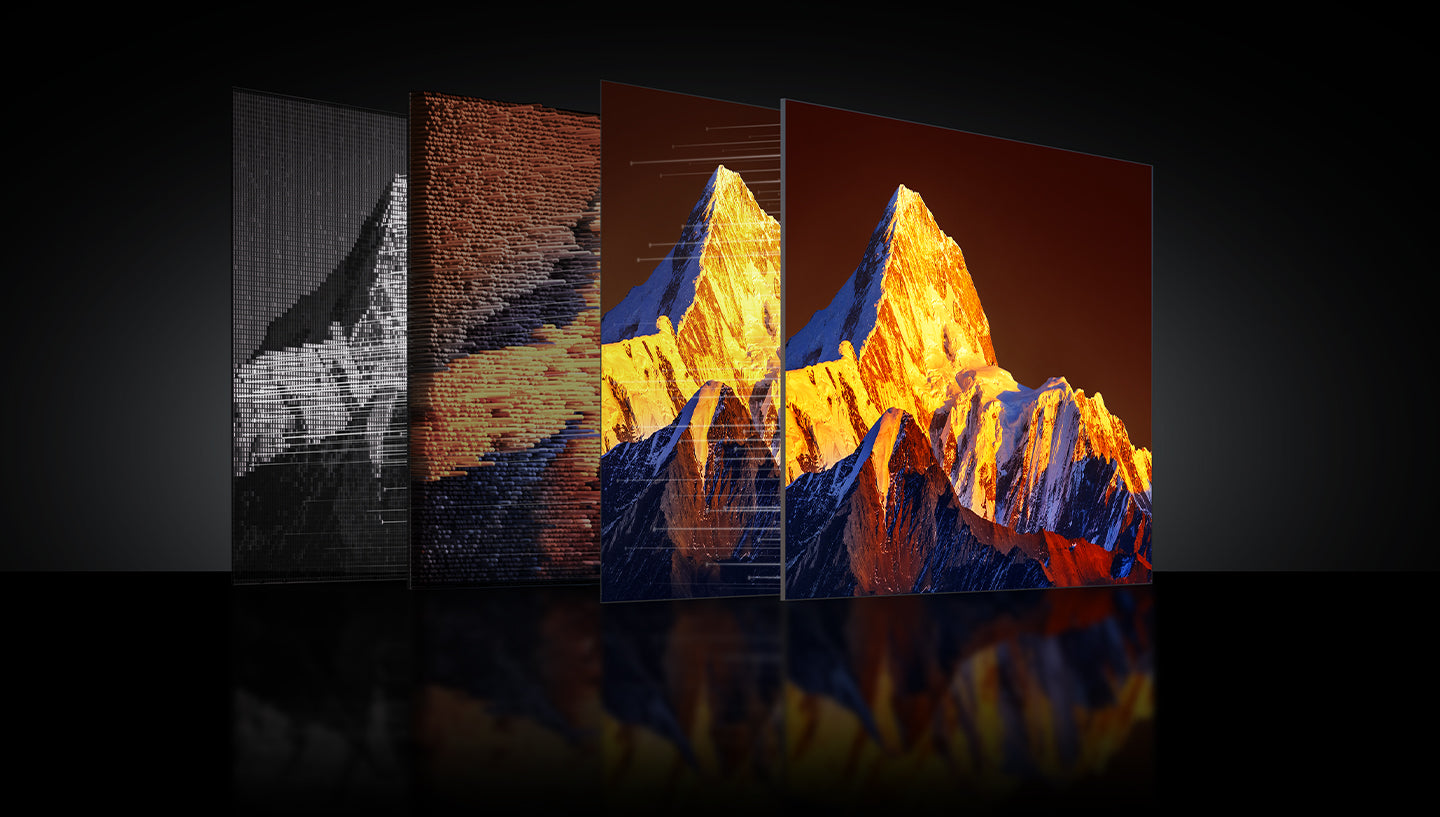
The TCL QM8L is TCL’s mainstream mini-LED flagship. It pairs a mini-LED backlight with a wide-gamut quantum dot layer and comes in four sizes, from 65 to 98 inches.
This page is a research-based read of the TV. It draws on TCL’s published specs and independent lab measurements, not on a test bench of my own, and it says so whenever a figure comes from TCL’s marketing.
The short version: bright, accurate once calibrated, and well equipped for gaming on paper. The software and the default picture settings both reward a few minutes of adjustment.
What the QM8L Is Built On
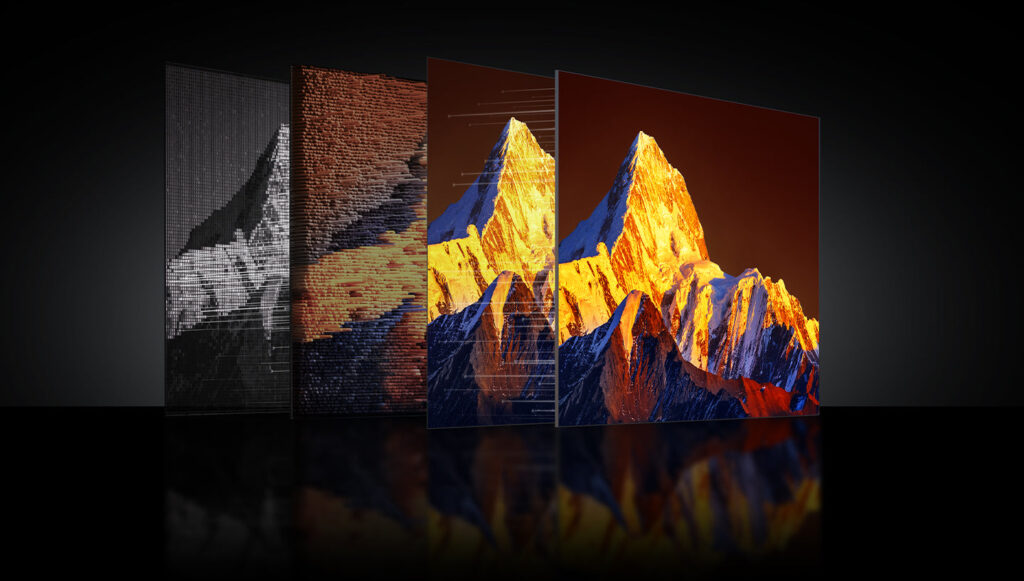
TCL calls the panel technology SQD-Mini LED, short for Super Quantum Dot Mini-LED. A mini-LED backlight splits the screen into many small dimming zones, and the quantum dot layer in front of it widens the range of colors the TV can show. TCL positions it as a step up in color range from the QM8K that came before it.
- Backlight: SQD-Mini LED
- Sizes: 65, 75, 85 and 98 inches
- Local dimming: up to 4,000 zones, according to TCL
- Refresh rate: 144Hz native
- HDMI: four full HDMI 2.1 ports
- Peak brightness: up to 6,000 nits, a figure TCL advertises
- Smart platform: Google TV with TCL’s NXTVISION image processing
- Audio: expandable system with Bang & Olufsen tuning
You can browse the range on TCL’s storefront on Amazon, and that link opens Amazon in a new tab. Make sure the listing you pick matches the screen size you want.
What Independent Lab Testing Found
The brand’s headline figure is a peak of up to 6,000 nits. In an independent lab, a 10% window peaked at roughly 1,900 to 2,000 nits. That is still a very bright result, but it is not the number on the box. Claimed and measured peaks often differ across the TV industry, so lean on measured numbers whenever you can.
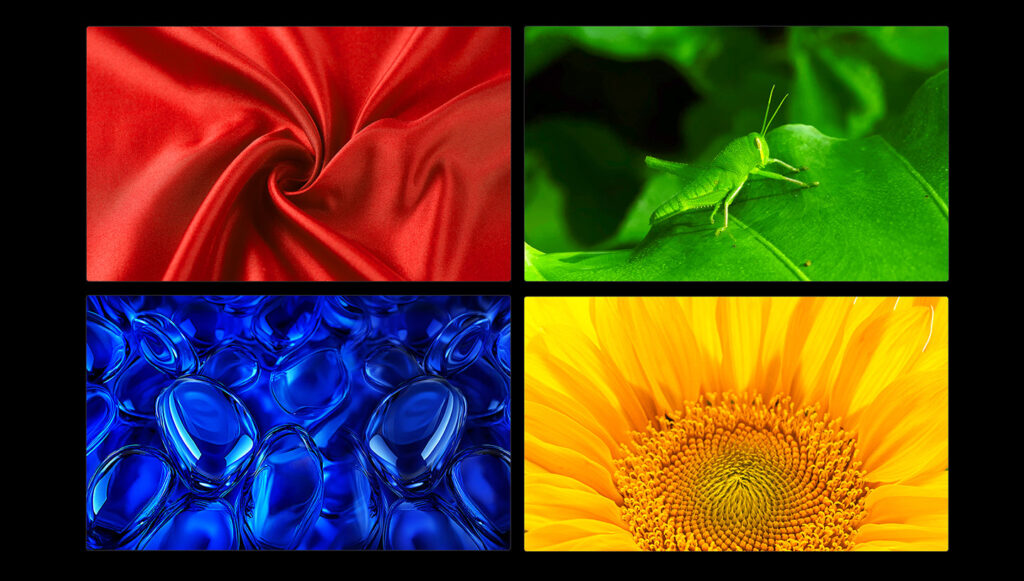
Color accuracy was strong as well. Once the set was calibrated, color error averaged a delta E near 1.1 and grayscale error sat near 0.7. Both are low figures, in the range where a difference from a reference display becomes hard to spot.
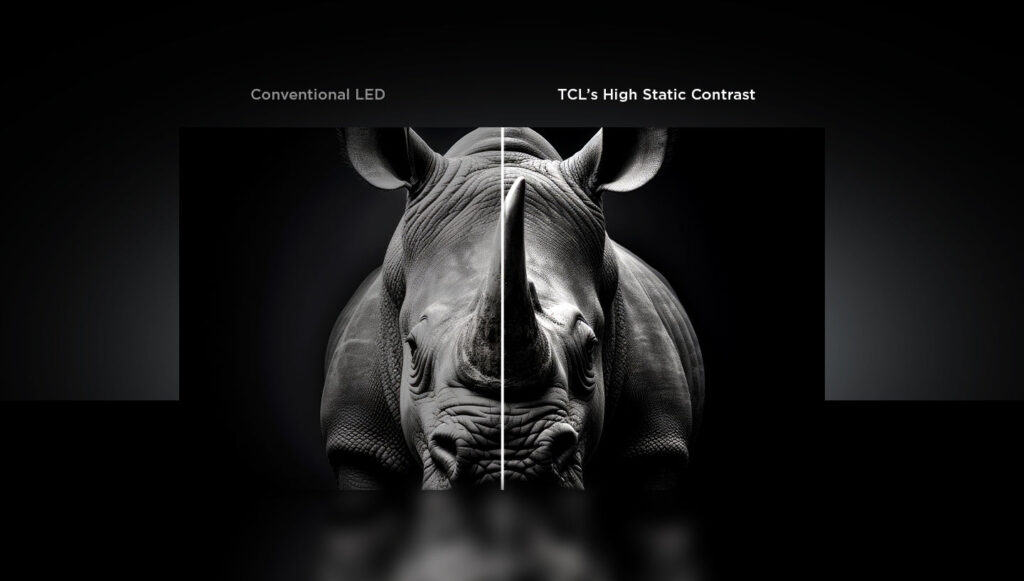
Gamut looked strong too. In the DCI-P3 space it reached 97.7% coverage, and in the wider BT.2020 space 89.3%. Both figures improved on the QM8K. Independent testing also found near-zero blooming, the halo that can appear around a bright object on a dark background, which fits with the large number of dimming zones.
Two cautions came out of the lab work. Some film scenes showed judder, which the motion settings menu can correct. And Filmmaker Mode showed a slightly larger color temperature error out of the box than the calibrated results above. Do not judge the picture on default settings alone.
Gaming and Connectivity
Gaming hardware takes up a large share of the QM8L’s spec sheet. The panel refreshes natively at 144Hz, supports variable refresh rate and has four full HDMI 2.1 ports. In game mode, the lab clocked input lag below 10 milliseconds.
Four HDMI 2.1 ports matter more than they sound. A console, a gaming PC and a soundbar can all share the TV without anyone swapping cables. TCL’s entry and mid-range models offer fewer HDMI 2.1 ports, so port count is a practical reason to look at the QM8L tier.
Game Mode also keeps a settings profile of its own. Changes you make to motion handling for movies will not touch your gaming setup.
Software and Settings to Know About
The QM8L runs Google TV, with TCL’s NXTVISION image processing layered on top. Google TV is the platform across TCL’s current US range, and a few models, the V6D among them, use Fire TV instead.
Three adjustments are worth making during the first session with the TV:
- Picture: motion smoothing ships switched on, which can give films a soap opera look. Filmmaker Mode, or a manual change to the motion settings, can reduce much of that effect.
- Home screen: Google TV includes promotional rows by design. Removing unused apps under Settings, then Apps, and switching off the personalized recommendations option in your account can thin some of them out.
- Firmware: the System menu lets the TV check for updates by itself. TCL uses updates for bug fixes, steadier streaming apps and, from time to time, HDMI or audio sync fixes.
How It Compares to the QM8K and Hisense
Compared with the QM8K it succeeds, the QM8L brings wider color gamut coverage and slightly more precise dimming. That is a worthwhile gain rather than a dramatic one, and it makes the newer model the natural reference point for a fresh purchase.
The most direct rival is Hisense’s U7SG, aimed at the same picture-first shopper. Both brands are Chinese-owned, and both chase the same mini-LED buyer.
| Model | Backlight | Max zones | Brightness claim | Refresh | Sound | Software |
| TCL QM8L | SQD-Mini LED | 4,000 | 6,000 nits | 144Hz | Expandable, Bang & Olufsen tuning | Google TV |
| Hisense U7SG | Hi-QLED MiniLED Pro | 3,000 | 3,000 nits | 165Hz | 2.1.2ch with Dolby Atmos | Google TV or Fire TV |
Inside TCL’s own range, the QM8L is the flagship tier of the mini-LED line. The QM7L offers mini-LED dimming at a lower tier but cannot match the QM8L for brightness or contrast, while the RM9L above it is an RGB mini-LED design aimed at home theater fans.
TCL leads on dimming zones, and the lab results back up its contrast and color accuracy. Hisense leads on native refresh rate and lets you choose between Google TV and Fire TV, which helps if you already live in one ecosystem. Price is the other half of this decision and it moves, so check the current price on Amazon for whichever set you are leaning toward.
Who It Suits and Who Should Skip It
The QM8L fits a shopper who is after top-tier brightness and serious gaming hardware, short of the very top of the range. That makes it a good match for sunny living rooms, dedicated movie rooms and consoles or PCs that need 144Hz with minimal lag.
Skip it if the TV is for a secondary room such as a bedroom or dorm, where an entry QLED set like the P7L or V6D is enough. Skip it too if you want the newest display technology no matter the cost, because the RGB mini-LED RM9L sits above it. And if a promotional home screen would bother you every day, weigh that before buying any Google TV set.
Size is the last check. TCL’s mini-LED tiers start near 65 inches, a diagonal usually matched to roughly 6.5 to 9 feet of viewing distance. For other seating distances, a common rule of thumb divides the distance in inches by 1.5 to 2 to suggest a diagonal for a 4K picture.
Common Questions
Which smart platform does the QM8L use?
Google TV, with TCL’s NXTVISION image processing on top. Most of TCL’s current US range uses it, and the V6D is one model that runs Fire TV. Roku TV models appeared in TCL’s earlier lineups, but the current range has moved on.
Is burn-in a concern with this TV?
The QM8L is an LED-backlit LCD design. Burn-in is usually discussed in connection with OLED panels, where individual pixels can age unevenly, and LCD sets are generally regarded as much less prone to permanent image retention.
How long is the warranty?
The standard TCL warranty on US products runs one year and is aimed at manufacturing defects, so accidental damage is typically outside it. TCL’s registration page lets you log the purchase after you buy, which speeds up a later claim and documents your purchase date.
What are the return terms?
A purchase made directly from TCL carries a 30-day return window. Retailer purchases, Amazon included, follow that retailer’s own return policy, which can run shorter or longer, so read the listing’s terms before ordering.
Is it bright enough for a sunny room?
TCL advertises up to 6,000 nits, and the lab measured about 1,900 to 2,000. A higher measured peak helps against glare, which makes the QM8L a reasonable candidate for a room with big windows.
The Verdict
The QM8L’s headline claims can be checked against independent lab numbers. Peak brightness measured well below the advertised figure but still high, color was accurate after calibration, and the spec sheet is strong for gaming: 144Hz, four HDMI 2.1 ports and very low input lag.
Three things call for attention before you settle in: the promotional rows on Google TV’s home screen, motion smoothing that ships switched on, and a brightness claim that sits above the measured figure. The first two come down to a few settings, and the third is a reason to lean on measured numbers.
If those trade-offs suit you, browse TCL’s storefront on Amazon, which opens Amazon, and confirm that any listing you pick matches the model and size you want before you order.