
Disclosure: This post contains affiliate links. If you buy something through one of them, we may earn a small commission at no extra cost to you.

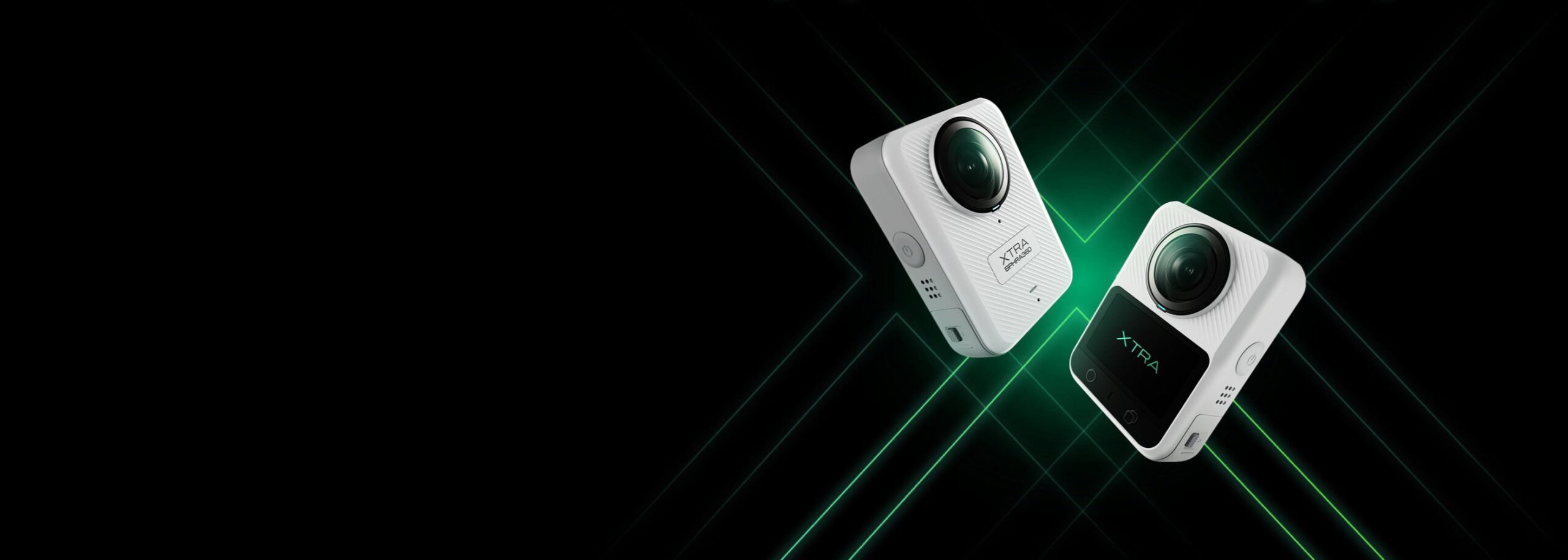
The Xtra Muse is the flagship of the Xtra lineup: a 1-inch sensor pocket gimbal camera at $419, down from a $699 list price. It’s also the single most talked-about camera in the whole brand, both because of the specs and because of what it apparently shares with a certain DJI product.
I went through the on-site reviews (15 as of writing), an independent long-form review from a photography site that bought one with their own money, and the FCC filings that outside reporters have pointed to, to see whether the Muse holds up on its own terms.
What’s actually inside
The spec sheet is genuinely strong for the price: a 1-inch CMOS sensor, 4K video at up to 120fps, 10-bit X-Log color, and a 2-inch touchscreen controlling a mechanical 3-axis gimbal. Master Follow tracking keeps a subject framed automatically, and there’s a native vertical shooting mode built into the software, so you don’t have to physically rotate the gimbal head for TikTok or Reels framing.
In the box: the camera, a USB-C to USB-C charging cable, a carrying bag, a wrist strap, and a 1/4-inch threaded handle for tripods. There’s also a webcam mode over USB, which one independent reviewer called an unexpected highlight for anyone who works from home.
What buyers are actually saying
The independent review I found (from a photography-focused site, not affiliated with Xtra) described it as “damn solid” even for someone who isn’t a dedicated vlogger. Reported strengths: a roughly 2-hour battery life with a 35-minute recharge, a genuinely portable hot-dog-sized body at about 180 grams, a 5-second startup time, and crisp, vivid footage in good light.
The same reviewer flagged real weaknesses too: the built-in microphone is underwhelming, macro shots struggle at close range, the touchscreen is cramped for fine adjustments (though the companion phone app helps), and the app itself has some untranslated menus and the occasional unexpected pop-up. There’s no onboard storage, so budget for a microSD card separately.
The DJI comparison you can’t ignore
Multiple outlets, including PetaPixel and The Verge, have reported that the Muse’s hardware, down to the circuit boards referenced in FCC filings, closely matches the DJI Osmo Pocket 3. A security researcher who examined the companion app reportedly found thousands of leftover references to DJI’s own software.
Whatever the real relationship between the two companies is, the practical outcome for buyers is a Pocket 3-class camera at $70 to $280 less than DJI charges, with a native vertical mode DJI’s own camera lacks and no compatibility with DJI’s Bluetooth microphones. I broke the full comparison down spec-by-spec in Xtra Muse vs DJI Osmo Pocket 3, and covered what’s confirmed versus speculative about the company itself in the story behind Xtra.
Should you buy it
If you want 1-inch-sensor gimbal footage without paying DJI’s current price, and you’re not put off by an unresolved question about who actually makes the thing, the Muse is one of the stronger values in this camera category right now. Vloggers and casual creators get the most out of it. If pin-sharp macro work or a polished companion app matters to your workflow, this isn’t the camera for that.
For care tips that keep the gimbal motor and battery healthy long-term, see how to make your Xtra camera last. For buying it through a channel that won’t leave you stuck if something goes wrong, check where to buy a genuine Xtra camera.
Keep reading: my full Xtra brand review, how to choose the right Xtra camera, and care and battery tips.